Oral Appliances Improve Sleep
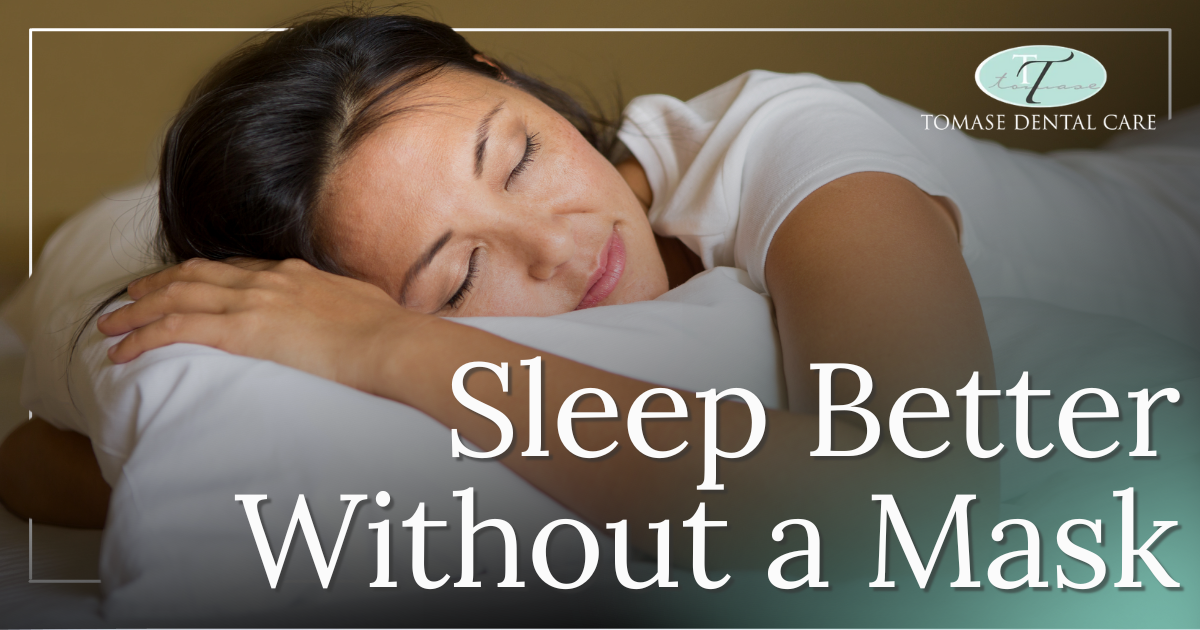
Does loud snoring keep your partner awake? Are you waking up gasping for air throughout the night? You might have obstructive sleep apnea, a condition in which your throat muscles relax during sleep, blocking your airway. We offer custom oral appliances that treat mild to moderate sleep apnea and chronic snoring without the bulky mask and machine required with CPAP therapy. Read on to learn more.
Understanding Sleep Apnea & Snoring
Obstructive sleep apnea affects millions of Americans and occurs when the muscles in the throat relax during sleep, blocking the airway repeatedly throughout the night. Common symptoms include:
- loud snoring
- gasping or choking during sleep
- morning headaches
- severe daytime fatigue
- difficulty concentrating
- irritability
Left untreated, sleep apnea increases your risk of heart disease, stroke, high blood pressure, and type 2 diabetes, making professional treatment essential for your long-term health.
How Oral Appliances Actually Work
An oral appliance, also called a mandibular advancement device, looks similar to a sports mouthguard but serves a crucial medical purpose. It holds your lower jaw slightly forward, typically five to ten millimeters from its resting position, which prevents your tongue and soft tissues from collapsing backward and blocking your airway during sleep. Think of it like propping open a door that keeps trying to close. The device maintains this position throughout the night, allowing oxygen to flow freely to your lungs and preventing the repeated breathing interruptions associated with sleep apnea. We’ll create your device using precise digital scans of your teeth and jaw, ensuring a fit that feels natural and comfortable from the first night.
Who Can Benefit Most from an Oral Appliance
Oral appliances work best for patients with mild to moderate obstructive sleep apnea, typically with an Apnea-Hypopnea Index (AHI) between 5 and 30 events per hour. Those who can’t tolerate CPAP machines due to claustrophobia, mask discomfort, or skin irritation find that an oral appliance is a game-changing alternative. Frequent travelers needing a portable solution appreciate the pocket-sized case that eliminates the hassle of packing bulky equipment. Position-dependent snorers who primarily have difficulty sleeping on their back often achieve complete relief with this approach.
When an Oral Appliance Isn’t the Right Choice
Oral appliances aren’t suitable for everyone. Severe sleep apnea with an AHI over 30 typically requires CPAP therapy for adequate treatment. Central sleep apnea, in which the brain fails to send proper breathing signals, needs a different intervention since the issue isn’t airway related. Patients with insufficient healthy teeth to support the device, severe TMJ disorders, or active gum disease should address these concerns first before pursuing oral appliance therapy. Your dentist will evaluate your specific situation during your consultation.
The Adjustment Period & Managing Side Effects
During the first one to two weeks, you might experience excess saliva production, mild jaw soreness upon waking, and slight tooth tenderness; these are completely normal reactions. Most side effects resolve within two weeks as your muscles adjust to the new jaw position. Any persistent jaw discomfort can be managed with gradual adjustments at follow-up visits. Rare cases of permanent bite changes can occur if the device isn’t monitored properly, which is why regular checkups at our office are essential.
Daily Care for Long-Lasting Performance
Maintaining your oral appliance is straightforward and takes just minutes each day. Rinse the device each morning with cool water. Then, gently brush it with a soft toothbrush and a non-abrasive cleaner. Avoid hot water or harsh chemicals that can warp the material. Let your oral appliance air dry completely before storing it in its protective case to prevent damage or bacterial growth. Soak the appliance in denture cleaner or specialized appliance cleaner weekly for deeper cleaning.
Check monthly for any cracks or signs of wear that might compromise fit or function. Bring your device to your dental checkup every six months for professional cleaning and adjustment. Most oral appliances last five to seven years with proper care before needing replacement.
Your nightly routine stays simple:
- Brush and floss your teeth thoroughly before inserting the device
- Check that the appliance is clean and properly aligned before placement
Get Better Sleep Starting Tonight
Schedule a consultation at Tomase Dental Care located in Toledo, OH to discuss whether a custom oral appliance is right for you. We’ll review your sleep study results, evaluate your oral health, and create a personalized treatment plan that fits your lifestyle and budget.